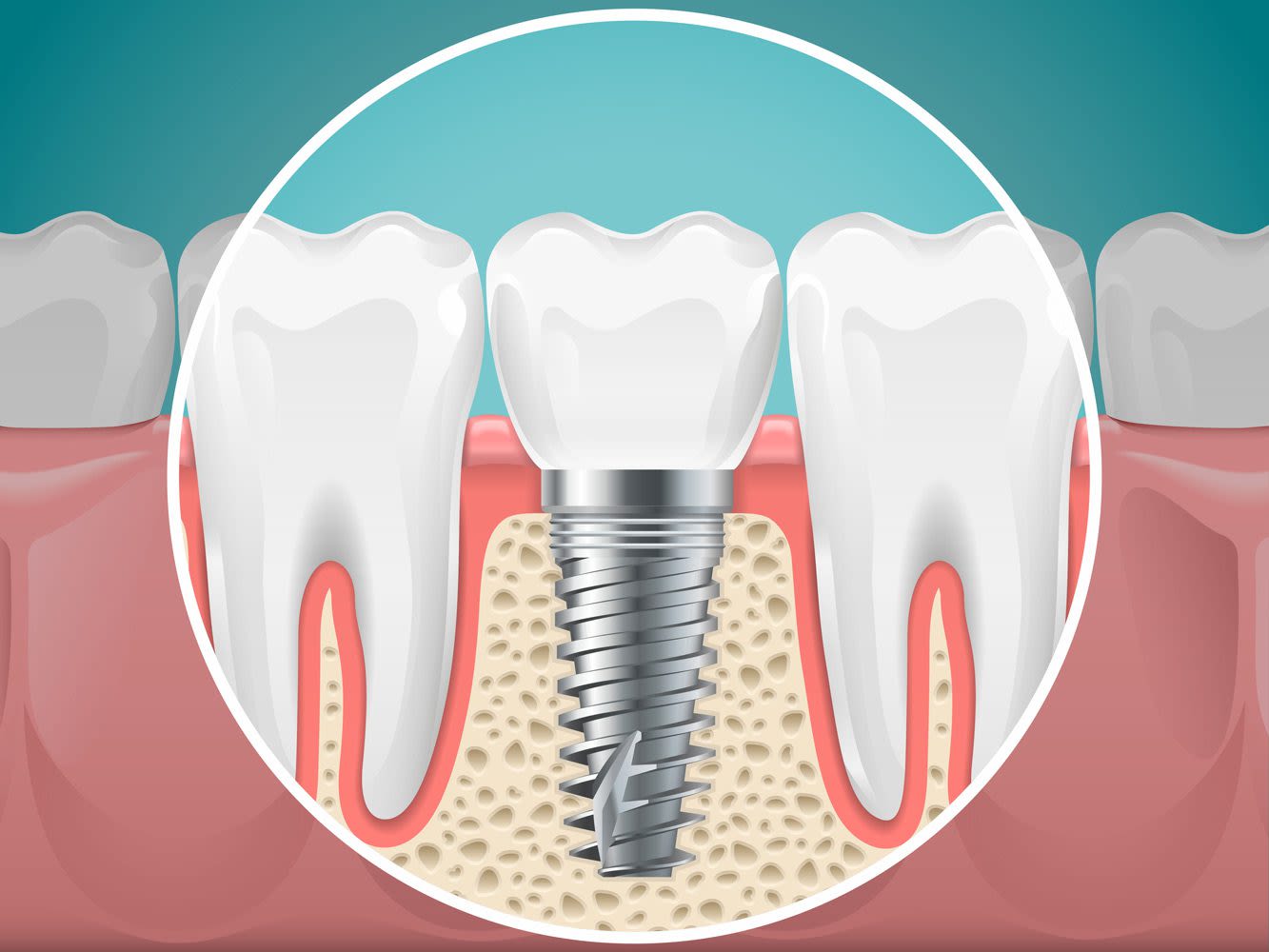
Dentures, commonly known as fake teeth, are acrylic substitutes for missing teeth that may be removed and replaced. They are custom-made to fit your mouth. While dentures need some adjustment, today’s dentures are more natural-appearing and comfortable than ever. Historically, you had to apply denture adhesive or rely on natural suction to keep your dentures in place. Dentures that clip into place utilising dental implants can be provided by our dentists using current procedures, providing improved comfort and stability.

Types Of Dentures
Dentures are classified into two types: complete and partial. A full denture necessitates the extraction or removal of all remaining teeth, whereas a partial denture can be used to bridge the gaps left by lost teeth. You may discuss which is ideal for you and your present circumstances with your dentist at Naenae Dental Clinic in detail.
Benefits Of Dentures
There are some additional benefits to dentures if you’ve had missing teeth for a long time or are gradually losing teeth due to gum disease or other disorders. They assist you in regaining your fantastic grin and chewing your favourite meals, as well as giving you confidence when you smile and speak.
At Naenae Dental Clinic, we provide a variety of denture services, including cast metal dentures and traditional acrylic dentures. Dentures can be used to replace a whole set of teeth or only the missing teeth in between your natural teeth. We collaborate with a Wellington dental technician with over 30 years of expertise in the area. Every denture is custom-made to fit your mouth, giving it a highly natural appearance and the closest likeness to your original teeth as possible.
Frequently Asked Questions About Dentures in Lower Hutt
Adjusting to new dentures takes time and varies from person to person. In the initial weeks, it is common to experience some increased saliva production, minor irritation, and a feeling of bulkiness in the mouth as you become accustomed to the appliance. Speaking and eating may feel different at first and generally improve as the muscles of the mouth adapt. We will provide guidance on what to expect during the adjustment period and are available to see you if any significant discomfort or fit concerns arise.
If your dentures feel loose, rub against the gums, or cause persistent discomfort, we recommend contacting us at our Lower Hutt clinic to arrange a review. Denture fit can change over time as the shape of the gum and underlying bone naturally changes, and adjustments or a reline may be needed to restore a comfortable fit. We will assess the denture and advise on the most appropriate course of action based on your individual situation.
Dentures should generally be stored in water or a denture-soaking solution when not being worn to prevent the material from drying out and warping. Hot water should be avoided as it can distort the shape of the denture. Keeping your denture in a clean container away from children and pets when not in use is also advisable. We will provide specific storage guidance tailored to your denture type when your dentures are fitted at our clinic.
While some people do wear their dentures overnight, it is generally recommended to remove them at night to allow the gum tissue to rest and to help reduce the risk of infection and bone loss under the denture. Removing dentures at night also allows for thorough cleaning of both the denture and the gum tissue. We will discuss what is most appropriate for your individual situation during your consultation at Naenae Dental Clinic.
The lifespan of a denture varies depending on the type of denture, how well it is maintained, and the natural changes that occur in the mouth over time. Even well-maintained dentures may need to be relined, rebased, or replaced as the underlying bone and gum tissue changes with age. Regular reviews allow us to monitor the condition and fit of your denture and advise on when any adjustments or replacements may be appropriate. At Naenae Dental Clinic we will discuss realistic expectations for your specific denture at your appointment.
In many cases, a cracked or broken denture can be repaired depending on the extent of the damage. We will assess the denture to determine whether repair is clinically appropriate or whether a replacement may be a more suitable option in your circumstances. We recommend contacting us as soon as possible if your denture breaks rather than attempting to repair it at home, as improper repairs can affect the fit and integrity of the appliance.
Cast metal dentures use a metal framework to provide a thinner, more rigid structure that some patients find more comfortable than a full acrylic denture. Acrylic dentures are made entirely from a plastic resin material and are generally used when a full set of teeth is being replaced. The most appropriate type for your situation will depend on the number of teeth being replaced, your gum health, and your individual clinical needs. We will discuss the available options with you at your consultation at our Lower Hutt clinic.
In some cases, existing dentures may be adapted to work with implants, though this depends on the condition and design of the current denture and the outcome of an implant assessment. A consultation at our Lower Hutt clinic will allow us to assess your current denture and jaw structure and advise on whether conversion is appropriate or whether new implant-supported dentures would be a more suitable option for your needs.
When teeth are missing and not replaced, the surrounding teeth can gradually shift into the gap over time, affecting the bite and the alignment of remaining teeth. The jawbone in the area where teeth are missing may also reduce in volume over time as it is no longer being stimulated by tooth roots. Replacing missing teeth with an appropriate restoration can help to maintain the structure of the remaining teeth and surrounding bone. We will discuss the most suitable replacement option based on your individual oral health during your consultation.
In the initial period after receiving new dentures, we generally recommend starting with softer foods that require less chewing force and gradually reintroducing a wider range of foods as you become more comfortable with the appliance. At our Lower Hutt clinic, we will provide specific dietary guidance when your dentures are fitted and advise on what to avoid in the early adjustment period. Individual experiences vary and we will discuss realistic expectations based on your specific denture type during your consultation.