Dental implants are typically the solution if you have one or more missing teeth, or if you have fractured or rotting teeth that are beyond repair. Dental implants in Lower Hutt are manufactured to appear and feel as close to your real teeth as possible using current technology, which may considerably enhance your speech, eating comfort, self-esteem, and smile aesthetics.
What Is A Dental Implant?
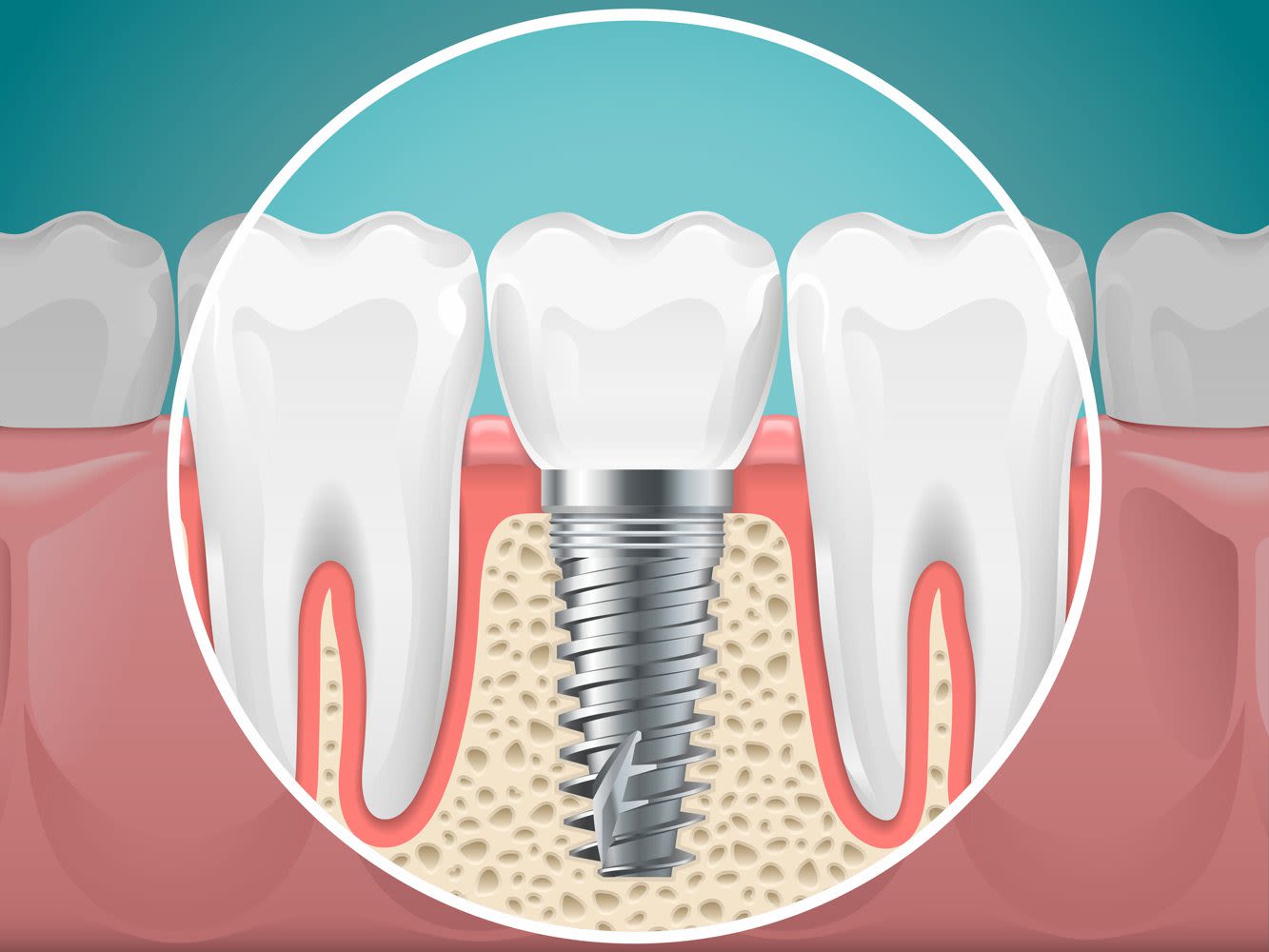
A dental implant is a titanium post (similar to a tooth root) that is surgically inserted beneath the gum line into the jawbone. This serves as a root replacement, allowing your dentist in Lower Hutt to implant a custom-made crown on top to replace the missing tooth. A bridge can be supported by two or more implants to replace several teeth. Dental implants in Lower Hutt can be used to replace both front and back teeth, as well as to hold dentures in place. Implants offer strong support for prosthetic teeth because they bond to your jawbone (a process known as osseointegration).
The Dental Implant Process
Dr Hamid Al-Hassiny, our primary dentist at Naenae Dental Clinic, has had significant training across the world and is skilled in implant surgery. He takes a careful approach to determine if implants are acceptable. Because chewing pressures on your teeth can be high, planning the position and quantity of implants is critical to the long-term health of the dental implant.
The position and angle of neighbouring teeth dictate the site of implants. Dentist in Lower Hutt is able to ensure the highest potential durability and success of your dental implants by employing computed tomography (3D x-rays), computer-aided customised simulations, and surgical guides known as stents.
Frequently Asked Questions About Dental Implants in Lower Hutt
Suitability for dental implants depends on several factors, including the health of your gums, the density and volume of your jawbone, your general health, and whether any existing dental conditions need to be addressed first. Certain medical conditions or medications may also be relevant to the assessment. A thorough consultation at Naenae Dental Clinic in Lower Hutt will allow us to evaluate your individual circumstances and discuss whether implants are an appropriate option for you.
The overall timeframe for dental implant treatment varies from person to person. After the implant post is placed, a healing period is needed to allow the implant to integrate with the jawbone before the final crown or restoration is attached. This process can take several months in total, though the exact duration depends on individual healing and treatment complexity. We will outline a realistic timeframe during your consultation.
The surgical placement of a dental implant is carried out under local anaesthesia, which helps to manage discomfort during the procedure. Some patients experience mild soreness or swelling in the area in the days following surgery, which generally settles with time. If you have concerns about pain or anxiety around the procedure, it is worth discussing this with us beforehand so we can outline your options for managing comfort during treatment.
Osseointegration is the process by which the titanium implant post bonds with the surrounding jawbone over time. This integration is what gives the implant its stability and allows it to function similarly to a natural tooth root. At our Lower Hutt clinic, we will monitor this process carefully and advise you when you are ready for the next stage of treatment. It is worth understanding that osseointegration takes time and that the healing phase is an important part of the overall process.
At Naenae Dental Clinic, we use computed tomography (3D X-rays) as part of the implant planning process. This imaging allows us to assess the bone structure, identify the precise location for implant placement, and create computer-aided simulations before any surgery takes place. Surgical guides known as stents are also used to help ensure accurate placement. This planning approach is designed to support a more predictable and well-considered outcome for each patient.
Caring for a dental implant is similar to caring for your natural teeth. Regular brushing, flossing, and routine dental check-ups are important for maintaining the health of the implant and the surrounding gum tissue. While implants themselves cannot develop decay, the gum and bone around them still need to be kept healthy. We will provide specific aftercare guidance following your procedure.
In some cases, patients may not have sufficient bone density or volume to support an implant without additional treatment. Bone grafting is a procedure that can be used to build up the jawbone in preparation for implant placement. Not all patients will require this, and we will assess your bone structure during the planning stage to determine whether any preparatory treatment is needed before an implant can be placed.
Yes, at Naenae Dental Clinic, we can use dental implants to provide support for dentures. Implant-supported dentures are anchored to implant posts in the jawbone, which helps to improve stability compared to conventional removable dentures. This option may be worth discussing if you currently wear dentures and find that fit or function is a concern. We will assess whether implant-supported dentures are a suitable option based on your oral health and bone structure.
The cost of dental implant treatment at our Lower Hutt clinic varies depending on the number of implants required, whether any preparatory treatment such as bone grafting is needed, and the type of restoration being attached. A consultation will allow us to assess your situation and provide you with a personalised treatment plan and cost estimate. We encourage you to discuss payment options during your appointment so you can plan your treatment with confidence.
During your initial consultation at our Lower Hutt clinic, we will review your dental and medical history, examine your teeth and gums, and may take X-rays or 3D imaging to assess your bone structure. This information is used to determine whether dental implants are suitable for you and to begin planning the treatment if appropriate. You will also have the opportunity to ask questions and discuss any concerns before making a decision about your care.